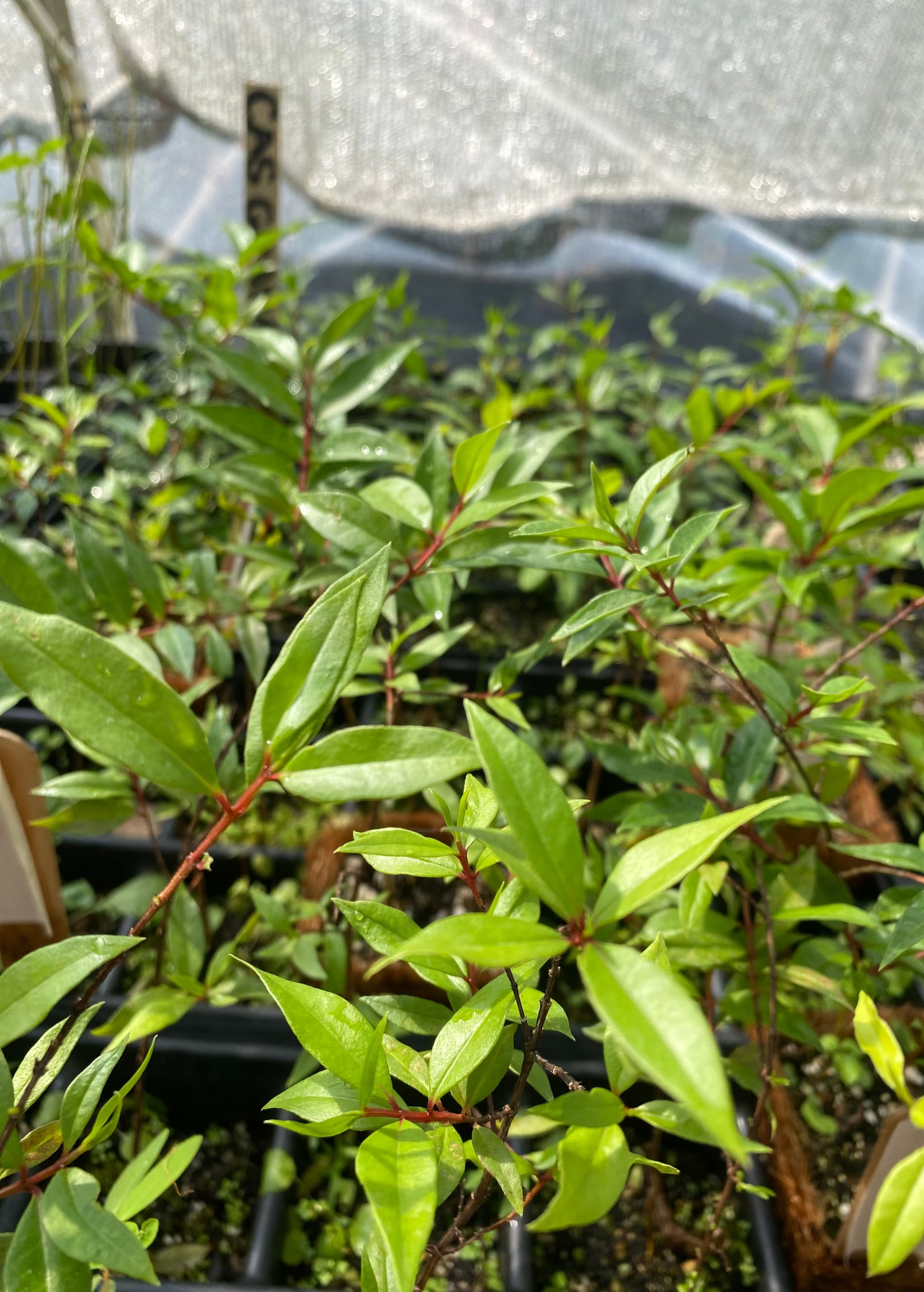
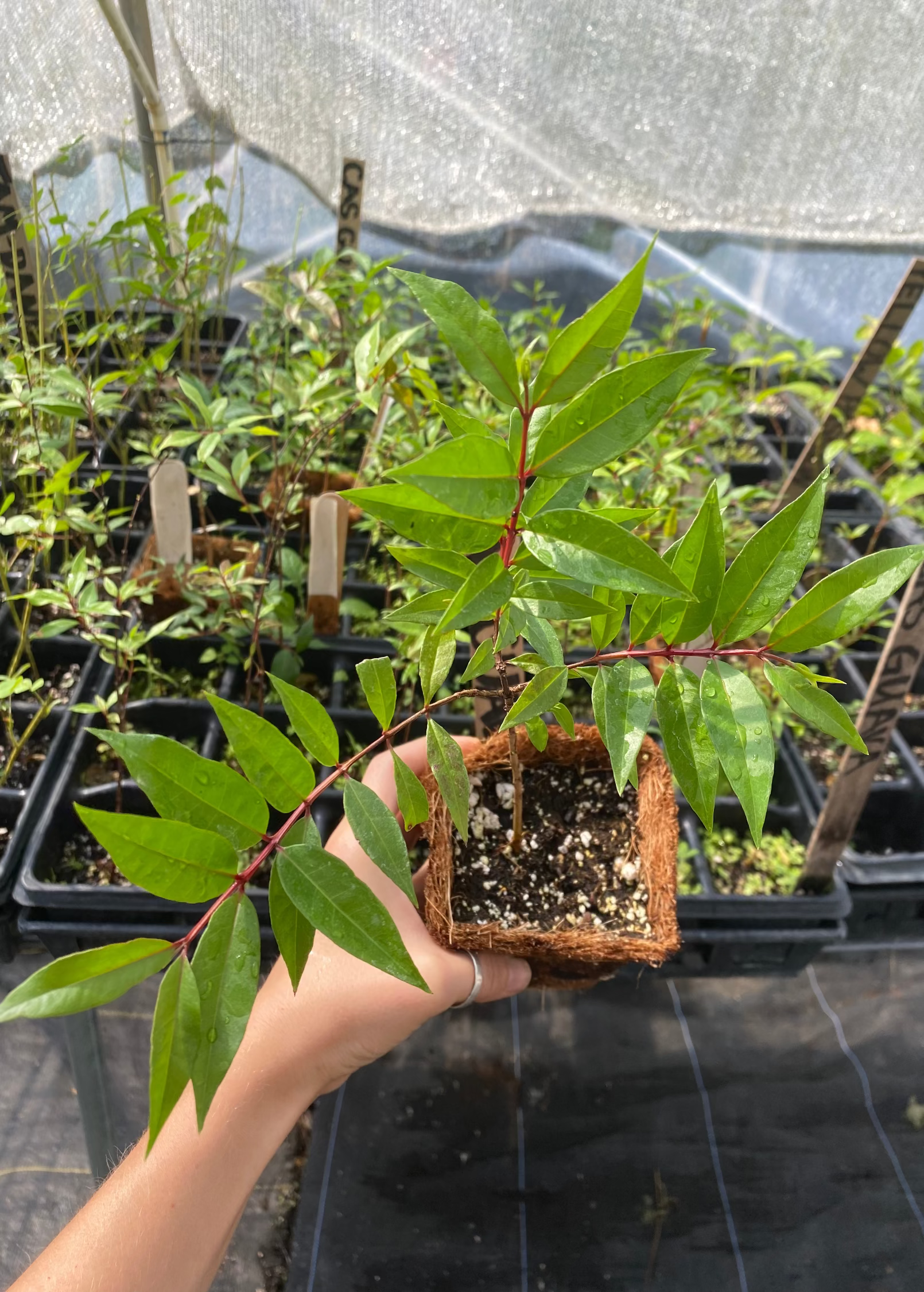



Description
Tangy Tropical Delight from Costa Rica
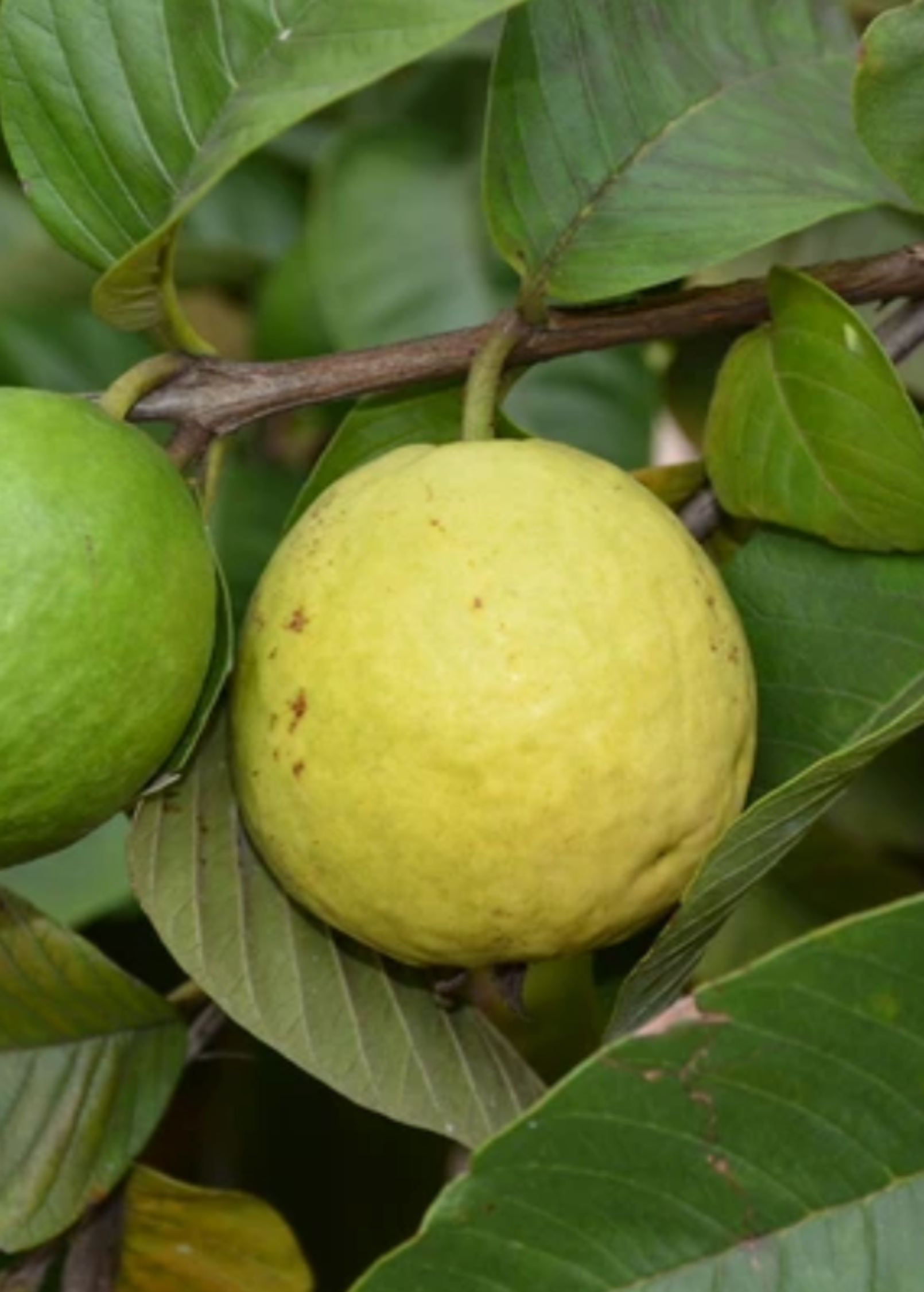
Cas Guava (Psidium friedrichsthalianum), also known as Costa Rican Guava, is a small tropical fruit tree prized for its intensely tangy, citrusy fruit. The small, round fruits ripen greenish-yellow with aromatic white to pale yellow flesh packed with tiny seeds. Their bold sour flavor makes them especially exciting for drinks, jams, sauces, and other tropical preparations.
Native to Central America, particularly Costa Rica, Cas Guava is a hardy, productive tree with dense, glossy green foliage and an attractive bushy growth habit. The leaves are aromatic when crushed, releasing the familiar fragrance of guava. Compact enough for home gardens while capable of heavy fruit production, this unusual guava is a standout for tropical fruit collectors.
Cultural & Culinary Significance
Cas Guava has a particularly strong connection to Costa Rican cuisine, where the fruit is used to make cas fresco, a refreshing drink made by blending the tart fruit with water and sugar. Its intensely sour flavor also lends itself beautifully to jams, jellies, sauces, juices, and smoothies. In traditional Central American medicine, guava species have also been used for digestive complaints, while the fruit provides vitamin C and antioxidant compounds.
Why Grow Cas Guava?
- Intensely Tangy Fruit: Get a bold sour, citrusy flavor unlike common sweet guavas.
- Costa Rican Favorite: Grow the fruit used to make the beloved cas fresco.
- Heavy Producer: Mature trees can produce abundant crops of small, aromatic fruit.
- Compact Tropical Tree: Its bushy growth habit fits beautifully into home gardens and edible landscapes.
- Tough & Adaptable: Once established, Cas Guava can tolerate periods of drought and a range of growing conditions.
Growing Tips
(Also known as: Cas Guava, Costa Rican Guava, Sour Guava, Cas, Psidium friedrichsthalianum*)*
Cas Guava grows best in full sun and well-draining, fertile soil. Keep young trees consistently watered, then reduce watering once established as they develop good drought tolerance. Feed regularly during the growing season to support vigorous growth and fruit production. Prune lightly to maintain a compact shape and encourage branching. It can be grown in containers while young, but performs best in the ground where roots have room to develop. Protect from frost and extended cold. Under warm conditions, plants can begin producing fruit in approximately 2–3 years.