

Description
Tiny Pink Fruits with Gin-Like Flavor
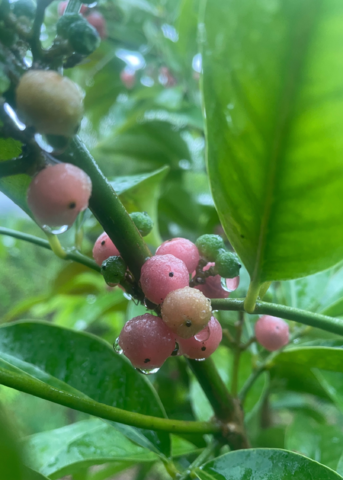
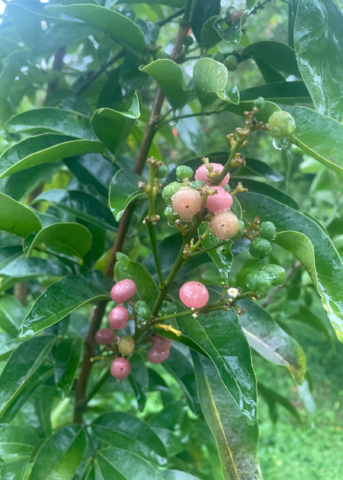
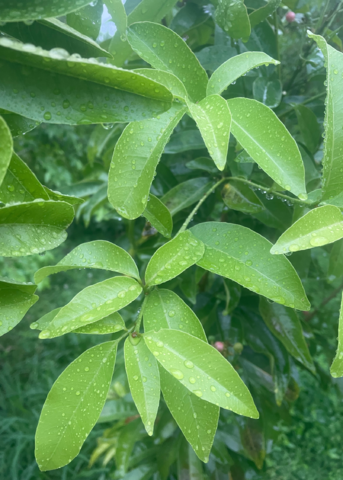
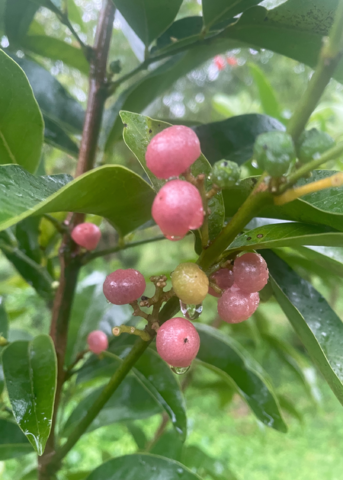
Gin Berry, also known as Ginberry (Glycosmis pentaphylla), bursts with tiny, highly fragrant white flower clusters that grow to bear teeny-tiny pink citrus fruits. Bursting with juicy, gin-like flavors and a few big seeds, they are great for eating out of hand or adding to beverages.
Incredibly beloved for their ornamental qualities, it doesn’t hurt that their fruit tastes like a gourmet gin and tonic, too! Growing up to 13 ft. tall, Gin Berry can be pruned in a container and brought inside during winter, making it a fun choice for curious, colder-zoned growers aiming to grow their own cocktail-inspired new favorite tree.
Cultural & Culinary Significance
Gin Berry is a unique member of the Rutaceae family, related to many familiar citrus including the Blood Orange and Tango Mandarin, but prized for its tiny, berry-like fruit and unusual translucent pink color. The juicy fruits are great for eating out of hand or adding to beverages, where their distinctive gin-like flavor makes them especially fun for cocktail-inspired drinks.
Why Grow Gin Berry?
- Produces teeny-tiny pink citrus fruits with juicy, gin-like flavor
- Bursts with highly fragrant white flower clusters
- Great for eating fresh or adding to beverages
- Beautiful ornamental tree with unusual fruit
- Can be pruned in a container and brought indoors during winter
Growing Tips
(Also known as: Gin Berry, Ginberry, Orange Berry, Glycosmis pentaphylla*)*
Gin Berry grows best in full sun to part shade and rich, well-draining soil. Keep the soil consistently moist during active growth and protect plants from cold temperatures. It can be pruned to maintain a smaller size and grown in a container, making it a good option for colder-zoned growers who can bring it indoors during winter.